Films like
this make me kinda nervous as far as writing what I actually think about them.
Yeah, there’s my previously-mentioned insecurity when it comes to discussing
stories and ideas connected to Black cultures, which I genuinely think I’ve
dropped the ball on around here a number of times, but there’s also the
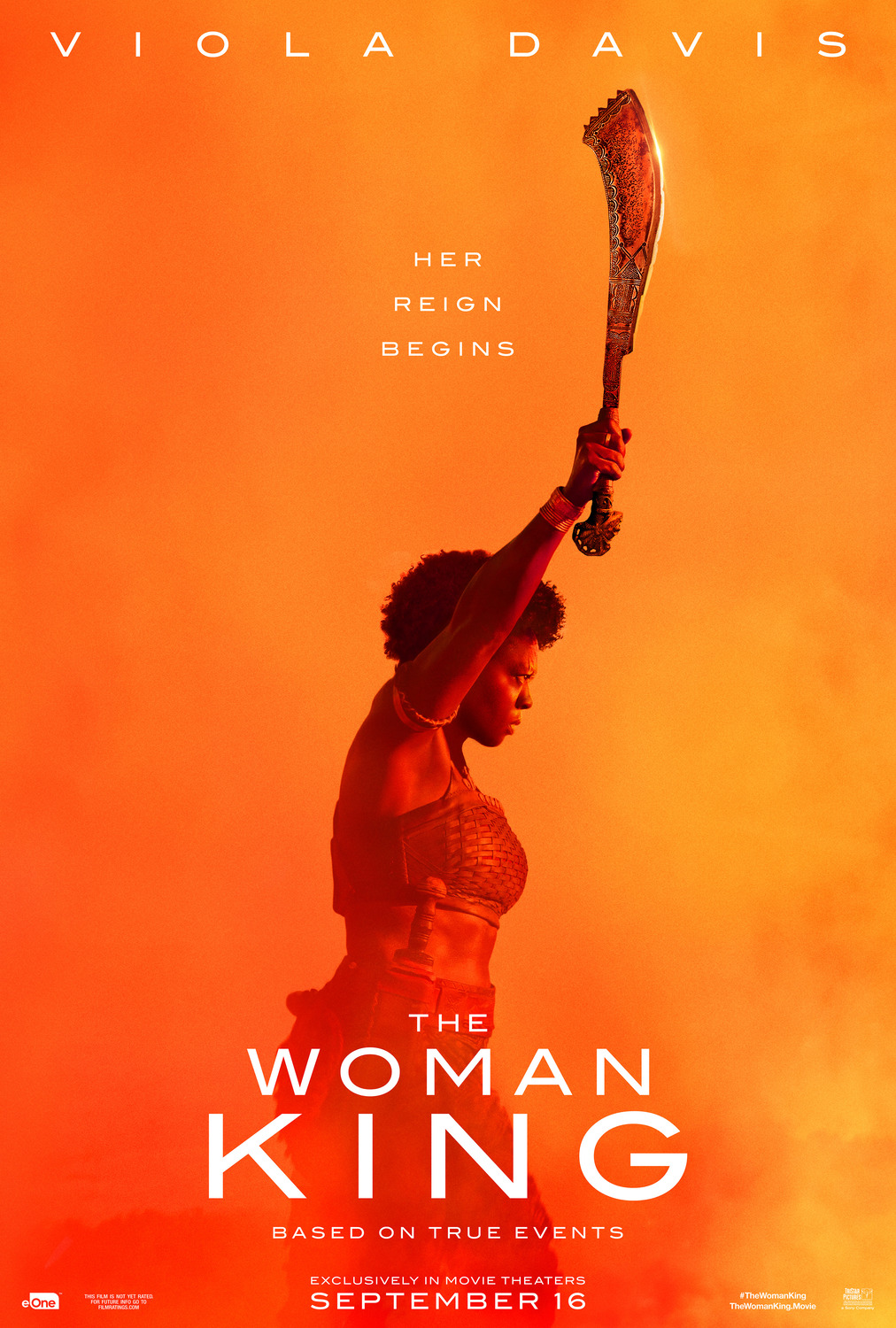
historical side of things as well. Long before this film saw release over here
in Australia, it came under heavy controversy for its historical inaccuracies,
to the extent that it airbrushed the involvement of Dahomey, the West African
nation that the film is centred on, in the Atlantic slave trade.
Now,
whenever dealing with films based on historical events, I tend to lean on the
side of “this is a film, not a documentary” when processing what’s on-screen. I
often feel like I’m stretching my abilities when talking cinema as is (hello
imposter syndrome, my old friend), let alone feigning knowledge about history
that I do not possess, outside of some light Googling out of sheer curiosity;
this should not be mistaken for a lengthy education on such things. Between
that and the regularity with which cinema, particularly in the mainstream,
glosses over the messier parts of the subject matter, I don’t feel comfortable
judging it on those standards. I especially don’t like the idea of a film like
this being put under some ‘model minority’ scrutiny bollocks, where it’s
expected to do better than those whose diversions tend to fly under the radar
more times than not.
So, what
I’m going to do with this film is to discuss it and analyse it as is.
While I have done a bit of looking-into concerning the real-world history being
shown (and yes, it is a lot to deal with), I am only going to be talking
about what is in the film itself. Partly because of my aforementioned
reluctance about judging films on anything greater than that, but also because
I’m hoping to surprise at least one reader as far as what is actually in
the film that everyone and their dog(whistle) is talking about.