
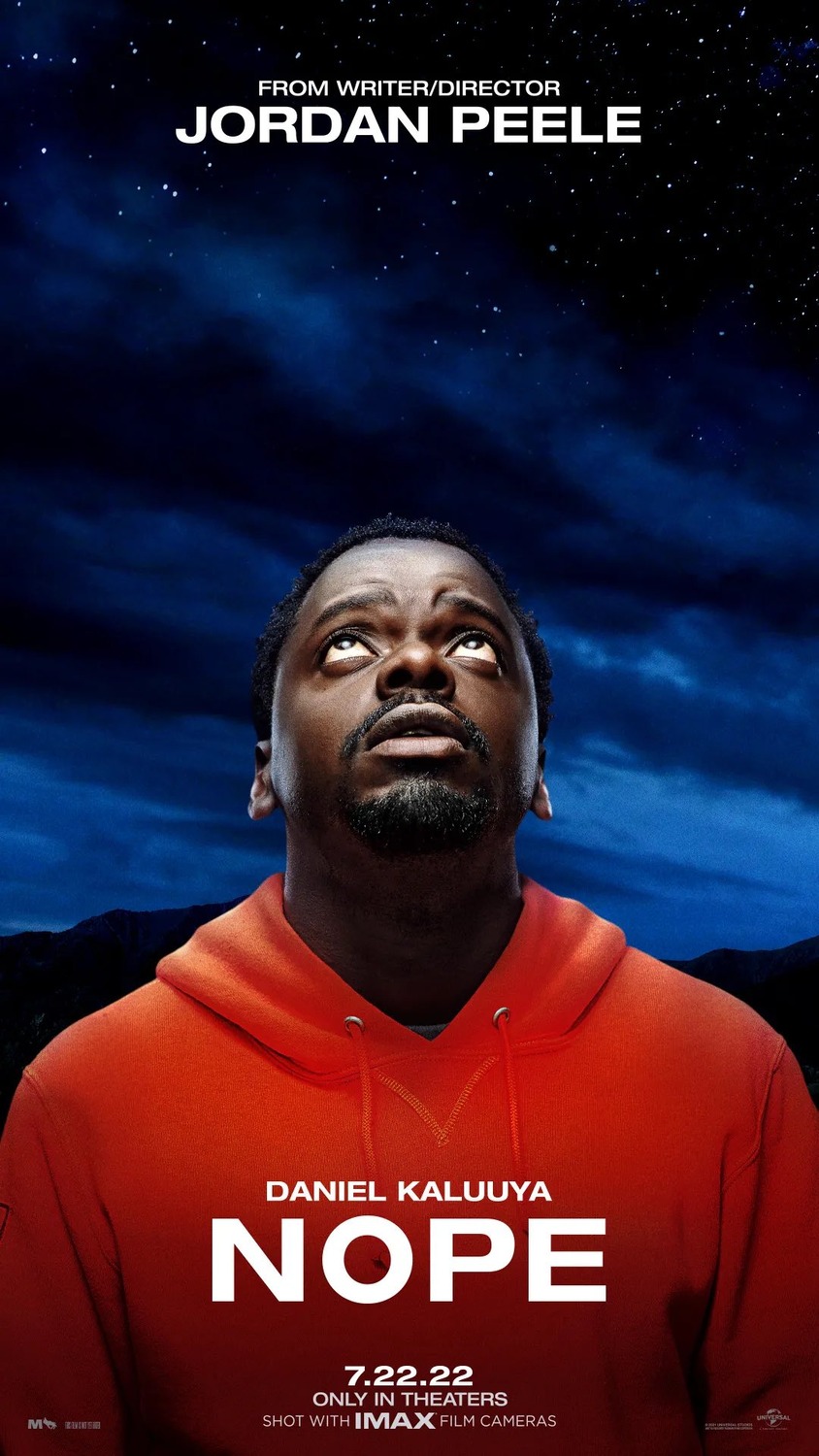
One of the more oft-repeated phrases about the nature of comedy is that it is more-or-less a matter of ‘tragedy + time’. After enough time has passed since an awful event, that is when it is possible to see the more humourous side of something that, in the moment, would’ve been too shocking to exhume such mirth from. But I’m not sure that is really the case, at least nowadays. We collectively have so much access to visual and auditory information, and have subsequently learnt to digest it at such a rate, that we have surpassed the idea that the passing of time has anything to do with the ability to make light of tragic events. I first got that impression when I heard my first joke about Michael Jackson’s death, which was on the same day it broke the news cycle; unless the bracket of time is measured in mere minutes or hours, that doesn’t appear to be accurate anymore.
Instead, I’d argue that it’s a matter of distance rather than time. Temporal distance can be a part of that, sure, but as far as turning something horrible into the kind of material that someone would willingly indulge in, it can be a cinch when there’s enough distance between the subject and the observer. If it happened to a stranger, or someone you know more by reputation than through any personal contact, making light of it is far easier to do than if, say, it happened to someone you know more personally or, more pointedly, if it happened to you.
Now, why am I bringing this up when talking about this film in particular? Am I making the same mistake that the Golden Globes made back in 2017? Well, hopefully not. Rather, I’m getting into this for two other reasons. One, because whenever I get to discussing Peele’s films, my writing turns out a lot denser than usual, so I’m just setting the tone as best I can. And two, because what truly makes this film horrifying is in how it examines that subject/observer relationship, both when it comes to our entertainment and our everyday lives.
