[tw: sexual assault]
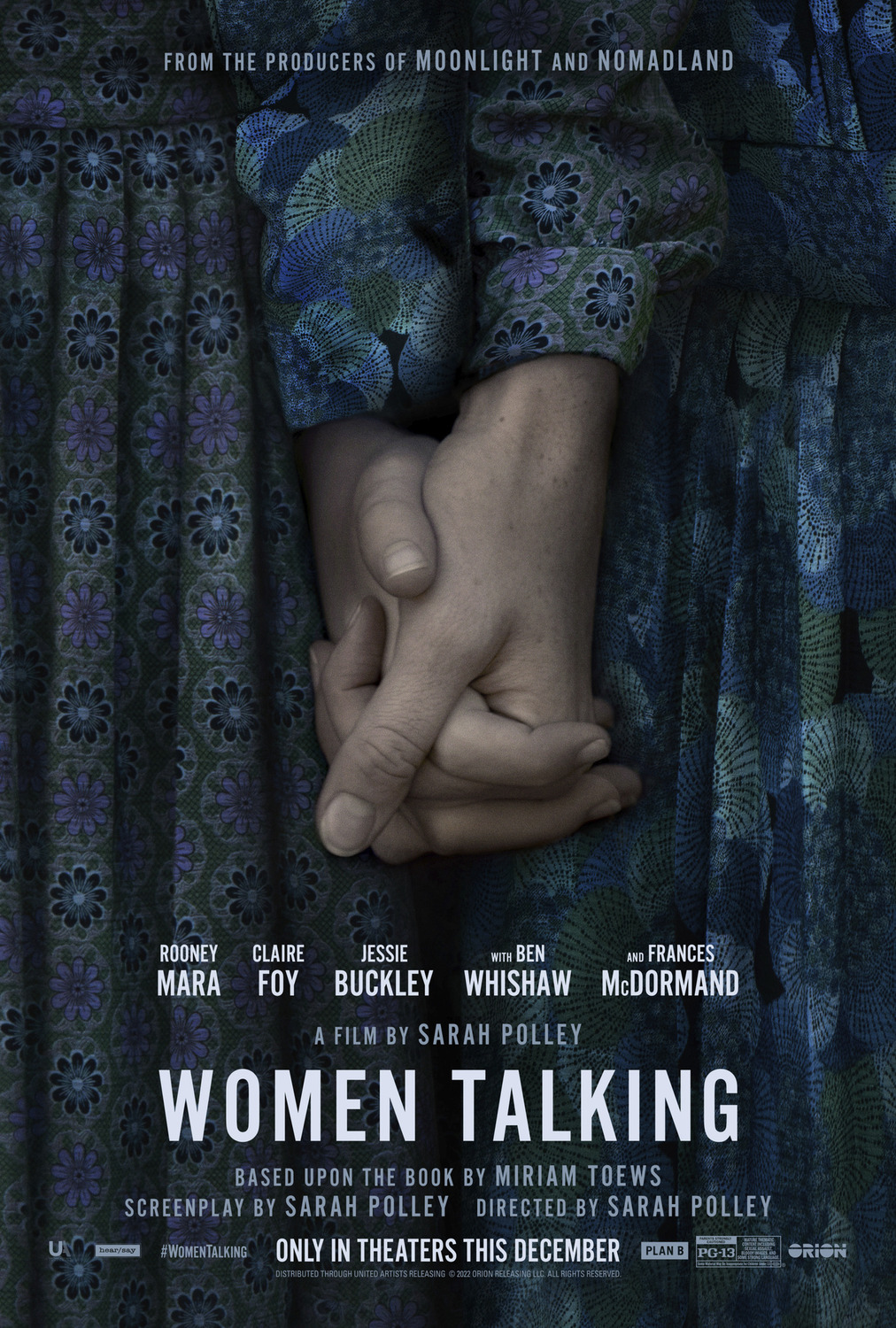

In Manitoba Colony, a Mennonite settlement in Bolivia, at least 151 women and children were raped over the course of four-or-so years. An anaesthetic normally reserved for livestock was sprayed in through their windows, knocking everyone inside the houses unconscious. At first, the men of the village attributed the ‘mysterious’ incidents to demonic attacks or possibly being done by Satan himself; in common parlance, once the event broke through the isolated nature of the village and its inhabitants, one name attributed to it was the ‘ghost rapes of Bolivia’.
While this film, and the novel on which it was based, is set with the backdrop of this atrocity, they primarily serve as a dramatic addendum to it. Described on-screen as an “act of female imagination” (a phrase also used to describe the assault itself when the women came forward about a more terrestrial culprit than Christianity's favourite strawman), the story depicts an impromptu council of women from this settlement, who meet up and try to come to a consensus about what they do next. Do they do nothing? Do they stay and fight? Or do they leave?